


Inflatable Hot Tub and Solar Panels: What Solar Can and Cannot Do for Heating Costs
An inflatable hot tub uses electricity to heat water and keep it warm, and electricity costs money. It is natural to look at the roof, see solar panels, and wonder whether the sun can do the heating for free. The short answer is that solar panels can help with a hot tub’s running costs in some situations, but they do not make heating free, they do not heat the water directly in most setups, and the benefit depends on far more than the panels themselves.
This guide explains, in general terms, how solar and hot tubs interact, what solar can and cannot do, and the questions to ask before you spend anything. It gives no savings figures and no payback estimates, because those depend on your panels, your tariff, your climate, your tub, and how you use it — and any article that quotes a single figure for all of that is guessing.
The first thing to understand: solar panels make electricity, not hot water
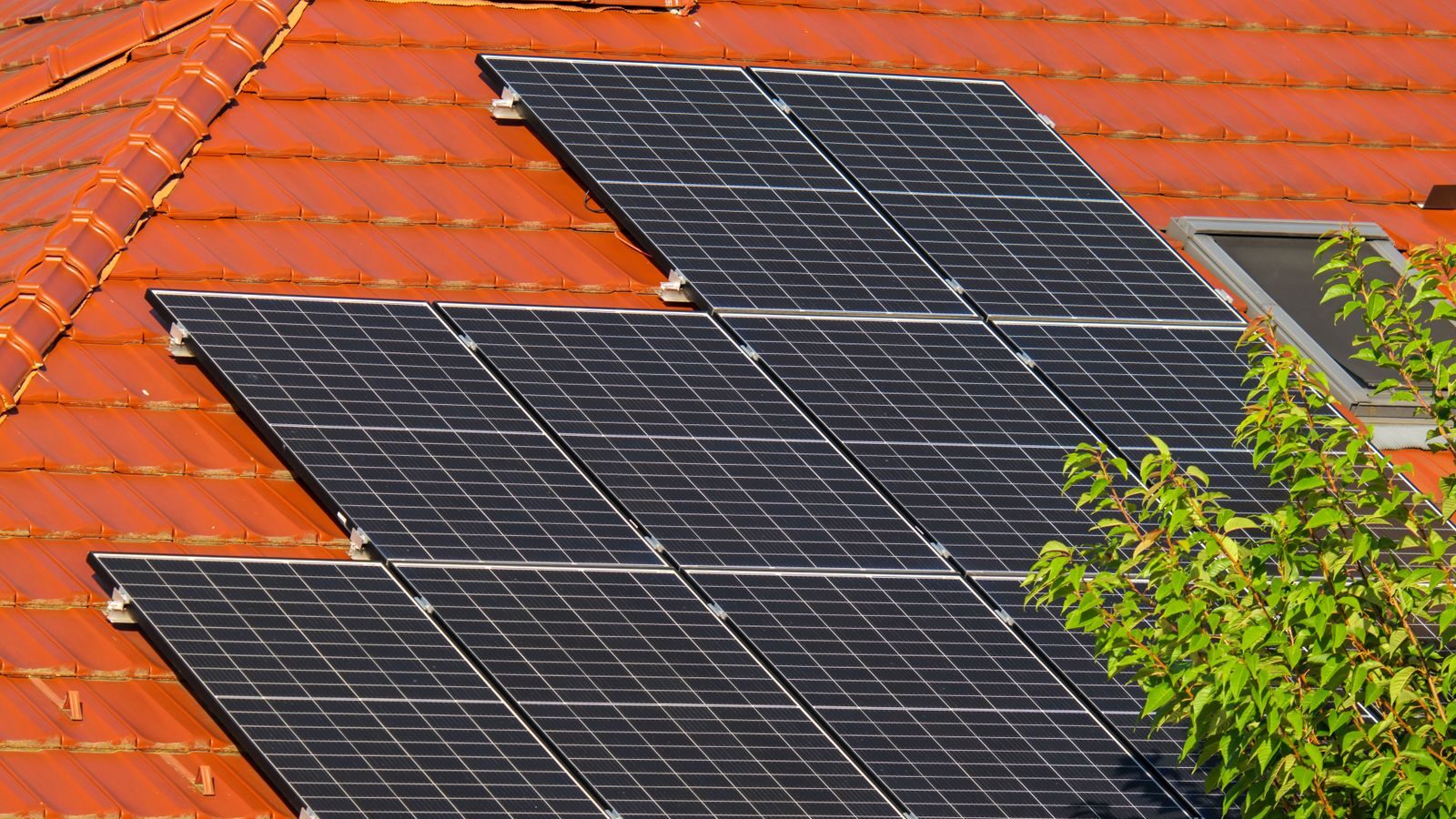
Most home solar panels are photovoltaic panels. They convert sunlight into electricity, which your home can use, store in a battery if you have one, or export to the grid. They do not heat water directly. A hot tub connected to a home with solar panels is simply a home appliance that can run on solar-generated electricity when the panels are producing more than the rest of the house is using.
That distinction matters, because it sets the limits of what solar can do for a tub. The panels do not pipe hot water into the tub. They do not warm the tub at night. They do not change how much energy the tub needs to heat its water — they only change where some of that energy comes from, and only while the sun is shining.
There is a separate technology, solar thermal panels, which do heat water directly. These are far less common on homes than photovoltaic panels, and they are rarely connected to an inflatable hot tub. This guide is about the photovoltaic panels most homes have, and it will not suggest that a solar thermal system is a simple add-on for an inflatable tub.
When solar helps a hot tub
Solar helps most when the tub’s electricity use lines up with the panels’ output. Panels produce most during the middle of the day, on sunny days, in the sunnier months. A tub that is heating during the day, or holding temperature during a sunny afternoon, can draw on that output. If your home is already using most of what the panels produce — for example, if you work from home and run appliances during the day — there may be little spare output left for the tub, and the benefit will be smaller.
The tub’s own pattern matters too. An inflatable tub that is kept at temperature with the cover on draws power in shorter bursts as the heater tops the water up. A tub that is heated from cold draws power continuously for a long stretch. Whether those draws happen while the panels are producing depends on when you heat the water and when you soak. A tub heated in the evening, after the sun has gone down, will draw from the grid or from a battery, not from the panels directly.
Your electricity tariff matters as well. Some tariffs pay you for exported electricity, some do not, and some charge different rates at different times of day. Whether it is better to use solar output for the tub, or to export it and buy electricity later, depends on your tariff — and that is a question for your energy supplier, not for a hot tub article. Do not assume that using solar power for the tub is always the best financial choice; it depends on what you would otherwise be paid for that electricity.
What solar cannot do
Solar cannot make a hot tub free to run. Even on a sunny day, the panels may not cover the tub’s full draw, especially while it is heating from cold, and on cloudy days, in winter, and at night they produce little or nothing. A tub still needs grid electricity or stored battery power for much of its running, and the heater, pump, and filter still use the same amount of energy regardless of where it comes from.
Solar cannot heat the tub faster. The tub’s heater has a fixed power, and it heats the water at the rate its design allows. Solar does not increase that rate. Heating time depends on the model, the starting water temperature, and the ambient temperature — there is no single heating time for any model, and solar does not change that. If a tub heats slowly in cold weather, it will still heat slowly in cold weather with solar panels on the roof.
Solar cannot replace insulation or a cover. The biggest factors in how much energy a tub uses are how well it holds heat and how often it is left uncovered. A tub with a poor cover in a windy garden will lose heat quickly whether the electricity comes from the sun or the grid, and the panels will not make up for that loss. Our guide to cover care explains why the cover matters so much, and our guide to leaving a hot tub on all the time explains the trade-offs of keeping a tub at temperature.
Solar also cannot fix a tub that is expensive to run for other reasons. If the tub is in an exposed, windy spot, if the cover is damaged, or if the water is heated from cold every weekend, the running costs will be high, and solar will only offset part of them. Fixing the heat loss first — with a good cover, a sheltered position, and sensible habits — is usually a better use of effort than adding generation to cover the loss.
The questions to ask before spending anything
If you already have solar panels, the main question is a practical one: when does the tub run, and when do the panels produce? Look at your own usage rather than a generic claim. If you usually heat the tub during the day, you may already be using solar output without doing anything. If you heat it in the evening, you may not be, and changing when you heat the water could matter more than changing anything else. A battery, if you have one, changes the picture again, because it can store daytime output for evening use — but batteries have their own limits, and whether a battery can run a tub heater is a question for your installer.
If you do not have solar panels and are thinking of installing them partly for the tub, be cautious. Solar panels are a major purchase for a home, and their value depends on the whole household’s electricity use, not on one appliance. A hot tub alone is rarely a good reason to install panels. If you are already considering panels for the house, the tub is a reasonable part of that calculation, but it should not be the whole of it. Get advice from a qualified solar installer who can look at your roof, your usage, and your tariff, and who can give you figures specific to your home. Do not rely on a general article — including this one — for a payback estimate.
Also ask about the electrical side. A hot tub has specific electrical requirements: a suitable grounded supply, ground-fault protection that must be tested before each use, and no extension cords for Bestway SaluSpa models. Solar does not change any of that. Any electrical work, including connecting a tub to a home with solar or a battery, is for a qualified electrician, and your tub manual’s requirements still apply. Our guide to electrical and GFCI safety explains the rules.
Solar and the seasons
Solar output and hot tub use do not line up neatly through the year. Panels produce most in the sunnier months, which is also when a tub is cheapest to run, because the ambient temperature is higher and the water needs less heating. In winter, when the tub is most expensive to run, the panels produce least, and the days are shortest. That seasonal mismatch is one of the main reasons solar does not transform a tub’s running costs: the help is greatest when you need it least, and smallest when you need it most.
Winter use also brings its own decisions. Our winter-use guide covers the cold-weather considerations, including when to take a tub down rather than keep it running. If you use the tub through winter, solar will contribute less in those months, and you should plan on grid electricity doing most of the work.
That does not mean solar is useless for a tub. Over a full year, the panels will offset some of the tub’s electricity use, and in the sunnier months that offset can be meaningful. It means the benefit is partial and seasonal, not total and constant, and any expectation should be set accordingly.
Cheaper ways to cut the tub’s energy use
Before spending on generation, it is worth looking at the tub’s own energy use, because the cheapest energy is the energy you do not use. The habits and features that cut running costs are covered in more depth in our guide to energy-efficient inflatable hot tubs, but the short version is this: keep the cover on whenever the tub is not in use, and make sure it fits properly; shelter the tub from wind, which strips heat from the walls and the water surface; keep the filter clean so the pump does not have to work harder than it should; and think about when you heat the water, so you are not heating from cold more often than you need to.
Our ownership planner and our running-cost calculator can help you think through the costs of owning a tub in ranges rather than single figures, which is the honest way to look at running costs. They will not give you a single number, because a single number would be misleading — and the same is true of solar.
A realistic view
Solar panels and inflatable hot tubs can work well together, but the relationship is a modest one. The panels can supply some of the tub’s electricity, some of the time, in the sunnier months, and that is a genuine benefit. They do not make the tub free to run, they do not heat it faster, they do not replace a cover or insulation, and they are not, on their own, a reason to install panels.
If you already have panels, the best steps are simple: heat the tub when the sun is shining where you can, keep the cover on, and shelter the tub from wind. If you are thinking of installing panels, get advice specific to your home and your tariff, and judge the panels on the whole household’s use, not on the tub alone. And if you want to cut the tub’s running costs, start with the tub itself — its cover, its position, and your habits — because those are the changes that help in every season, with or without the sun.
Related guides
- The Inflatable Hot Tub Ownership Planner: Your First Year, Planned
- Hot Tub Running Costs: Inflatable vs Hard-Shell 5-Year Cost Calculator
- Should You Leave Your Hot Tub On All the Time? Honest Answer
- Can You Use an Inflatable Hot Tub in Winter? Honest Guide
- Where to Put an Inflatable Hot Tub: Deck Weight Limits, Ground Prep, and Siting
- Inflatable Hot Tub Electrics and GFCI: What Owners Need to Know (General Information Only)
- Looking After Your Inflatable Hot Tub Cover: Cleaning, Waterlogging, and Storm Care
- Energy-Efficient Inflatable Hot Tubs: Insulation, Covers and the Habits That Cut Running Costs
- Inflatable Hot Tub Smart Controls and App Control: What the App Does and What It Does Not


2 Comments
Pingback: Energy-Efficient Inflatable Hot Tubs: Insulation & Habits
Pingback: Inflatable Hot Tub Smart Controls & App: What the App Does